
"Sift out"
500 article(s) found

Breed characteristics of fermented thick civets Coffee introduction to Fine Coffee beans in Manor
Civet Coffee (Kopi Luwak), native to Indonesia. It is one of the most expensive coffee in the world, with a price of several hundred dollars per pound. It is extracted from the feces of the civet and processed. The civet eats the ripe coffee fruit and is excreted through the digestive system. After it is fermented through the stomach, the coffee produced has a special taste and has become a grab in the international market.

Indonesian boutique coffee civet coffee flavor taste manor production area introduction of civet coffee price
It is said that coffee farmers in early Indonesia regarded civet cats that ate ripe coffee fruits as mortal enemies, but at some point someone began to think of picking coffee beans from the civet droppings to make coffee with unique flavor. Coffee experts everywhere have tried and were amazed. Since then, local farmers spend a lot of time every day collecting civet droppings in the forest during the coffee ripening season.

What's so special about honey treatment? What is the difference between yellow honey, red honey and black honey?
What's so special about honey treatment? Juxtaposed with the two traditional treatment methods, water washing and sun treatment, honey treatment has become a unique method in coffee treatment. The taste difference between honey treatment and washing treatment: higher sweetness than washing, higher sugar content, and relatively higher alcohol thickness (under the premise of the same baking degree) honey treatment protects coffee.

Introduction to the delicious taste of Kopi Luwak from Bali, Indonesia.
A kind of animal excrement called civets (this animal is commonly known as civets in Indonesia), although it comes from smelly poop, it is full of sweetness and indescribable sweetness. The wild civets like to eat fat, pulpy coffee fruits, but the hard hard nuts (raw beans) are indigestible and are excreted with feces. After being cleaned, they become Kopi Luwak coffee.

Introduction to the manors in the producing areas of El Salvador coffee beans by the method of flavor grinding and calibration
El Salvador coffee bean flavor grinding scale treatment variety production area manor introduction coffee fields are endless, most of them are harvested by machinery, in order to meet the economic benefits. When 75% of the coffee fruit in the coffee garden turns red, it starts to be harvested mechanically, followed by the same pre-operation of washing, moving into the sink to remove the floating beans, sifting out the sunken beans, and then using a large pulp screening machine to dig out the pulp and take it out.
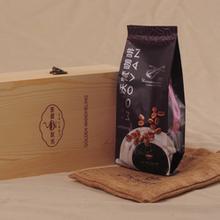
Introduction to the latest flavor of Indonesian Mantenin coffee boutique coffee bean Mantenin G1
I believe everyone has bought different Mantenin G1 beans, so how on earth is this G1 determined? according to my inquiry on this trip to Indonesia, I finally have the right answer. The literal meaning of G1 is GRADE 1, and the literal Chinese translation means first-class, so people feel that as long as the beans of G1 should be of the same quality, it is a big mistake. All the raw beans in Indonesia

Why is coffee production so low?
Pay close attention to coffee reviews (Weixin Official Accounts vdailycom ) and find a beautiful cafe to open its own shop cat excrement coffee, produced in Indonesia, one of the most expensive coffee in the world. Indonesia grows a lot of coffee, and there is a wild animal called the civet, an omnivore with a pointed mouth and dark gray fur. Favorite food is fresh coffee beans, coffee beans through its body

Civet Coffee Flavor Civet Coffee Features Civet Coffee Taste
Cow coffee is produced from the feces of Indonesian coconut cats (a civet cat), so it is called cat poop coffee. This kind of animal mainly feeds on coffee beans. After fermentation in the coconut cat stomach, protein is destroyed, short peptides and more free amino acids are produced, the bitter taste of coffee will be reduced, and the feces discharged will be the main raw material. Since coffee beans cannot be digested, they will be discharged.

Where did Kopi Luwak come from? the price of Kopi Luwak
Following caf é comments (Wechat official account vdailycom) found that Beautiful Cafe opened its own shop Kopi Luwak, also known as civet Coffee (English: civet coffee, Indonesian: Kopi Luwak, Filipino: kape motit, kape alamid, kape mel, kape musang). According to Indonesian, Kopi means coffee and Luwak means civet. Kopi Luwak

Breed characteristics of fermented thick civets Coffee introduction to Fine Taste Coffee Bean in Manor
Civet Coffee (Kopi Luwak), native to Indonesia. It is one of the most expensive coffee in the world, with a price of several hundred dollars per pound. It is extracted from the feces of the civet and processed. The civet eats the ripe coffee fruit and is excreted through the digestive system. After it is fermented through the stomach, the coffee produced has a special taste and has become a grab in the international market.

The world's most expensive coffee item, the Indonesian Kopi Luwak Kopi Luwak features Kopi Luwak
Kopi Luwak, produced in Indonesia, is one of the most expensive coffee in the world. Indonesia grows a large number of coffee crops. On the island of Sumatra, a kind of arboreal wild animal called civets likes to eat fat, multi-paddled coffee fruits. Coffee beans are fermented and digested in their bodies, but the hard hard nuts cannot be digested. With feces excreted, the feces become grains of coffee beans.

The origin of Kopi Luwak, the origin of coffee beans, the origin of all kinds of coffee.
Muscat coffee, Kopi (Indonesian, coffee), Luwak refers to an arboreal wild animal commonly known as the civet in Indonesia, which is found in Sumatra, Zawa, and Sulvish and is part of the 13677 islands of Indonesia. This kind of coffee is called the most fragrant poop since there is shit. Although its name is not very elegant, it is a fact. It's the Indonesian island of Sumatra.
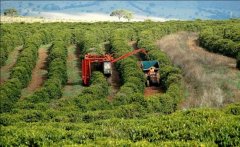
Brazilian half-sun natural pectin removal method volcano treatment
Brazil used to use the method of tanning in the past, and there was a big difference in quality, which made Brazil Chongqing synonymous with low-to-middle quality. However, in order to improve its quality and reverse its image, the world's largest coffee producer carried out a quality revolution in the 1990s and vigorously promoted the global half-sun method. Brazilian coffee fields are endless and are mostly harvested mechanically in order to meet the economic benefits. When 75% of the coffee fruit in the coffee garden
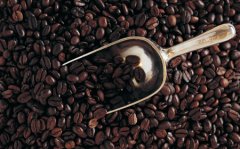
Indonesian Kopi Luwak, the most expensive single coffee in the world, the taste of civet coffee.
Kopi Luwak, produced in Indonesia, is one of the most expensive coffee in the world. Indonesia grows a large number of coffee crops. On the island of Sumatra, a kind of arboreal wild animal called civets likes to eat fat, multi-paddled coffee fruits. Coffee beans are fermented and digested in their bodies, but the hard hard nuts cannot be digested. With feces excreted, the feces become grains of coffee beans.

The treatment of Brazilian coffee raw beans imported from Laos is a good result of roasting.
. Brazilian half-sun-natural removal of pectin: Brazil used to use the sun method in the past, the quality varies greatly, so that Brazil Yu is synonymous with middle and lower quality. However, in order to improve its quality and reverse its image, the world's largest coffee producer carried out a quality revolution in the 1990s and vigorously promoted the global half-sun method. Brazilian coffee fields are endless and are mostly harvested mechanically to conform to the classics.

Introduction to the Fine Coffee Bean Flavor Manor in Bali, Indonesia
The coffee comes from the excrement of an animal called the civet (commonly known as the civet in Indonesia). Although it comes from smelly poop, it is full of sweetness and a burst of indescribable sweetness. This wild musk cat likes to eat fat, pulpy coffee fruit, but the hard hard nut (raw bean) cannot be digested. It is excreted with feces and becomes Kop after cleaning.

Coffee beans from Bali, Indonesia introduce the processing methods of fine coffee
The coffee comes from the excrement of an animal called the civet (commonly known as the civet in Indonesia). Although it comes from smelly poop, it is full of sweetness and a burst of indescribable sweetness. This wild musk cat likes to eat fat, pulpy coffee fruit, but the hard hard nut (raw bean) cannot be digested. It is excreted with feces and becomes Kop after cleaning.

Teaching practice of hand-brewing coffee: how to make coffee by hand at home
Exchange of professional baristas Please follow the coffee workshop (Wechat official account cafe_style) hand-brewed coffee after learning the background, then is the implementation. Here are the detailed steps and precautions for hand-brewed coffee: grind coffee beans: the standard particle size is like No. 2 sugar, can be adjusted, the key point is that the particles should be uniform, you can first use a sieve to put the ultra-fine powder

What are the different characteristics of different varieties of coffee in coffee farms in coffee producing areas?
3. Brazilian half-sun-natural removal of pectin: Brazil used to use the sun method in the past, the quality varies greatly, so that Brazil Yu is synonymous with middle and lower quality. However, in order to improve its quality and reverse its image, the world's largest coffee producer carried out a quality revolution in the 1990s and vigorously promoted the global half-sun method. Brazilian coffee fields are endless and are mostly harvested mechanically to meet the requirements.

Unique Indonesian Civet Coffee Flavor Taste Manor Region Fine Coffee Bean Introduction
Teguh Pribadi, founder of the Indonesian Civet Coffee Association, insists that mislabeling Indonesian civet coffee from wild civets is not common and may be an isolated case. Lin Yijun, who once kept civets in captivity, believes that farmers and civets are mutually beneficial symbiosis, civets are their economic source, and if they are abused as a means of making money, civets are in poor health.